

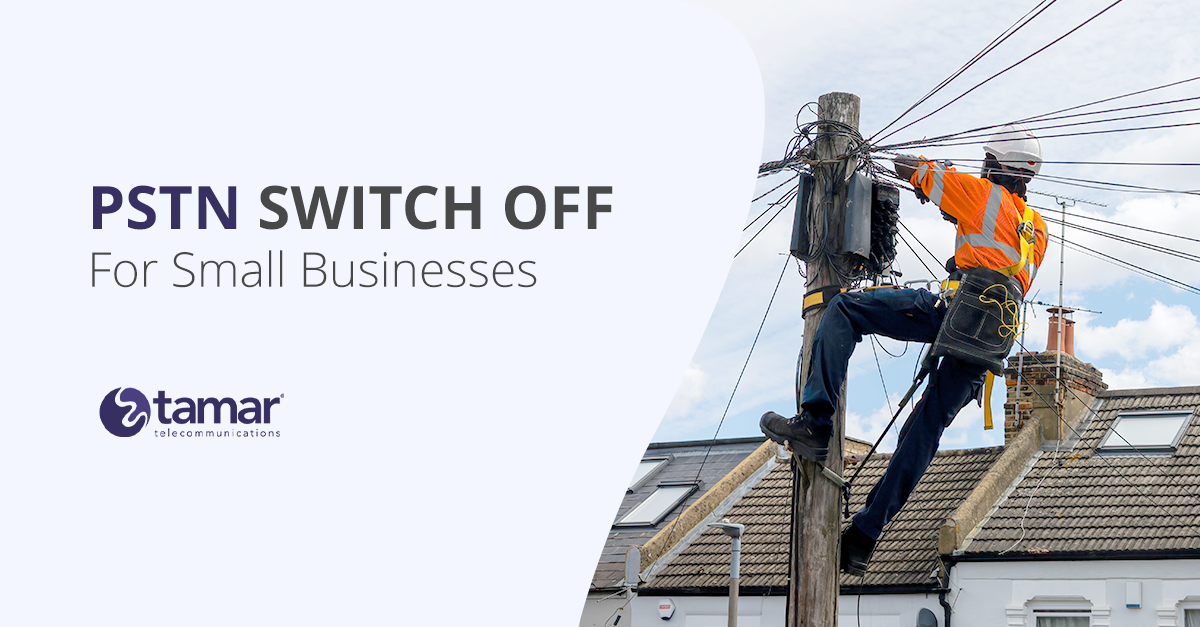
If your business still uses traditional phone lines, you may have heard about the PSTN switch-off. This change is one of the biggest shifts in UK telecoms in decades. It affects the way your business makes phone calls, connects broadband, and even how some security systems work. The good news is you can prepare, and this guide explains everything you need to know in clear, simple terms.
What Is the PSTN Switch-Off?
PSTN stands for Public Switched Telephone Network. It is the old telephone network that has carried voice calls for more than a century. This network is copper-based and uses circuit-switched technology developed long before the internet age. Traditional landlines, ISDN lines, alarms, and some broadband services run on the PSTN system.
In the UK, the PSTN is being switched off and replaced with digital alternatives, such as internet-based communication systems like VoIP (Voice over Internet Protocol) and other All-IP telephony technologies. This change is often called the digital switchover, the PSTN switch-off or the ISDN Switch OFF.
You can find the update from the UK Government here: gov.uk | Moving Landlines To Digital
Voice Over Internet Protocol Guide: Tamar Telecom | Guide To VoIP
When Is the PSTN Switch-Off Happening?
The final switch-off date for the UK PSTN network is 31 January 2027. By that date, traditional landlines and ISDN services will no longer operate.
There is also an earlier practical milestone. Providers such as BT have encouraged businesses to migrate to digital services by the end of December 2025, so you have plenty of time to prepare instead of rushing at the last minute.
Having these target dates gives you a clear timeline to plan your transition without disruption.
Why Is the PSTN Being Switched Off?
The PSTN infrastructure is very old and becoming increasingly fragile and costly to maintain. The parts are no longer manufactured, and engineers find it hard to keep the ageing copper network reliable. At the same time, modern communication is digital, not analogue. Digital systems are more reliable, flexible, and able to handle voice, data, and advanced services all on one network.
Governments and regulators across the world are moving away from analogue phone networks because the future of business communications is digital. For most businesses, this shift presents an opportunity to modernise telephone systems.
Industry regulator Ofcom provided a detailed breakdown to help: Ofcom | What You Need To Know

What the Switch-Off Means for Your Business
If your business still uses PSTN or ISDN lines, you need to act. Here is how the switch-off could affect you:
Traditional Phone Lines Will Stop Working
Your desk phones that rely on old copper lines will no longer function once the PSTN is retired.
Broadband Services Could Be Affected
Some older broadband technologies, such as ADSL and certain FTTC (Fibre to the Cabinet) connections, depend partly on the copper PSTN network. These may also need upgrading as part of the transition.
Legacy Equipment May Stop Connecting
Devices like fax machines, alarms, card payment terminals, CCTV systems, and lift emergency phones may currently rely on PSTN connectivity. These systems will likely need upgrading or replacement to work with digital communications.
ISDN Lines Will Also Be Withdrawn
ISDN lines, commonly used by larger phone systems and PBX setups, are being retired at the same time. If you use these, you will need a digital alternative.
Can You Keep Your Existing Phone Numbers?
Yes. One of the most common concerns is whether your business can keep its phone numbers. In most cases you can port (transfer) your existing numbers to a digital phone service such as a hosted VoIP system. This ensures continuity for customers and avoids confusion. Work with your telecom provider well before the switch-off date to make sure the transfer goes smoothly.
What Happens If You Don’t Act in Time?
If you leave your migration too late, you risk phone service disruption. After the switch-off, PSTN lines and ISDN circuits will no longer carry calls. That means your phones may stop working, your broadband service could be affected, and any connected equipment may lose connectivity. Early planning avoids these risks and gives you room to test new systems and train your team.
How to Prepare Your Business: Step-by-Step
Preparing for the PSTN switch-off is not difficult, but it does require a clear plan. Here are essential steps you should take:
1. Audit Your Current Setup
Start by making a list of everything that relies on your phone lines. This includes:
- Landline phone numbers
- Fax machines
- Card payment systems
- Broadband services linked to PSTN
- Alarm systems and emergency lines
- Door entry or CCTV systems
Knowing what you have will help you plan the replacement or upgrade of each item.
2. Choose the Right Digital Solution
Most businesses now use VoIP phone systems because they run over your internet connection, offering better flexibility, scalability, and often cost savings compared with old landlines. When choosing a system, think about:
- Number types (geographic, non-geographic, freephone)
- Call routing and auto-attendant features
- Remote and hybrid working support
- Integration with computers and mobile devices
Digital systems like VoIP also allow modern features such as voicemail-to-email, call recording, analytics, and easy number management.
We’ve highlighted a few solutions based on your business size or industry:
VoIP solution for SME’s: VoIP | Next Gen Telecoms Solution
Mobile Landlines for small businesses: Virtual Numbers On A Budget
For 0800 Number Solutions: 0800 Freephone | VoIP Solutions
If you want to keep your existing number: Free Porting For The PSTN Switch Off
3. Check Your Internet Connection
Digital phone systems use the internet, so you need reliable connectivity. Many businesses find that upgrading to a fast fibre broadband plan gives the best results. If you currently use an older broadband service that depends on the PSTN network, you may need to switch to a fibre-based service.
4. Upgrade or Replace Old Equipment
If you have equipment that only works with analogue lines, such as old alarm systems or fax machines, you will need to upgrade them or replace them with digital-ready alternatives.
For example, you may replace a traditional fax machine with an online fax service that delivers faxes by email instead of by phone line.
5. Test and Train
Once you have your new phone system and broadband in place, test everything well before the final switch-off date. Make sure all phones work, calls route correctly, and staff know how to use the new features.
Training your team early reduces disruption and builds confidence in the new system.

Benefits of Switching Early
Transitioning before the deadline gives you practical advantages:
- Avoid last-minute service issues if many businesses try to switch at once
- Spread the cost of upgrades over time
- Take advantage of modern features such as voicemail-to-email and call analytics
- Improve flexibility and mobility with cloud-based calling
Digital systems like VoIP are designed for modern business needs, including remote working, multiple office locations, and integration with CRM and helpdesk tools.
Common Questions About the PSTN Switch-Off
What is PSTN?
PSTN is short for Public Switched Telephone Network, the traditional phone network that carried voice calls over copper wires for more than a century.
What is VoIP?
VoIP stands for Voice over Internet Protocol. It routes voice calls over the internet rather than through copper phone lines.
When will the PSTN switch-off be complete?
The final date for the PSTN switch-off is 31 January 2027. Providers encourage migration in advance, often by the end of 2025 to avoid issues.
Will ISDN be switched off too?
Yes. ISDN lines are also part of the legacy network and will be retired alongside PSTN.
Final Thoughts
If you want help with your communication upgrade or need a tailored plan that fits your business, Tamar Telecommunications is here to support you every step of the way.